
Every Bodacious Knife starts with our story — a journey that began in 2002 in a small family workshop in Wazirabad, where knife-making has been passed down through generations. Today we’re a fully registered USA-based company, and every blade we ship is handmade with the same passion and precision we learned as kids.
Ever wonder what actually goes into making a knife that can survive years of hunting trips, kitchen work, or everyday carry without letting you down? At Bodacious Knives, every blade we sell starts as a raw piece of steel and goes through a careful, hands-on process before it ever reaches your hands. We wanted to pull back the curtain and show our customers across the USA exactly how a Bodacious knife is made, step by step, so you know exactly what you’re paying for when you choose one of our fixed blade hunting knives, fillet knives, or everyday carry knives.
Step 1: Selecting the Right Steel
Every good knife starts with good steel. We choose materials like high carbon stainless steel and 440C stainless steel because they strike the right balance between edge retention, corrosion resistance, and toughness. High carbon steel holds a sharp edge longer, which matters if you’re field dressing game or breaking down a fish, while stainless properties keep the blade from rusting after repeated exposure to moisture and blood. Picking the right steel for the job is the first decision that determines how a knife will perform for years to come.
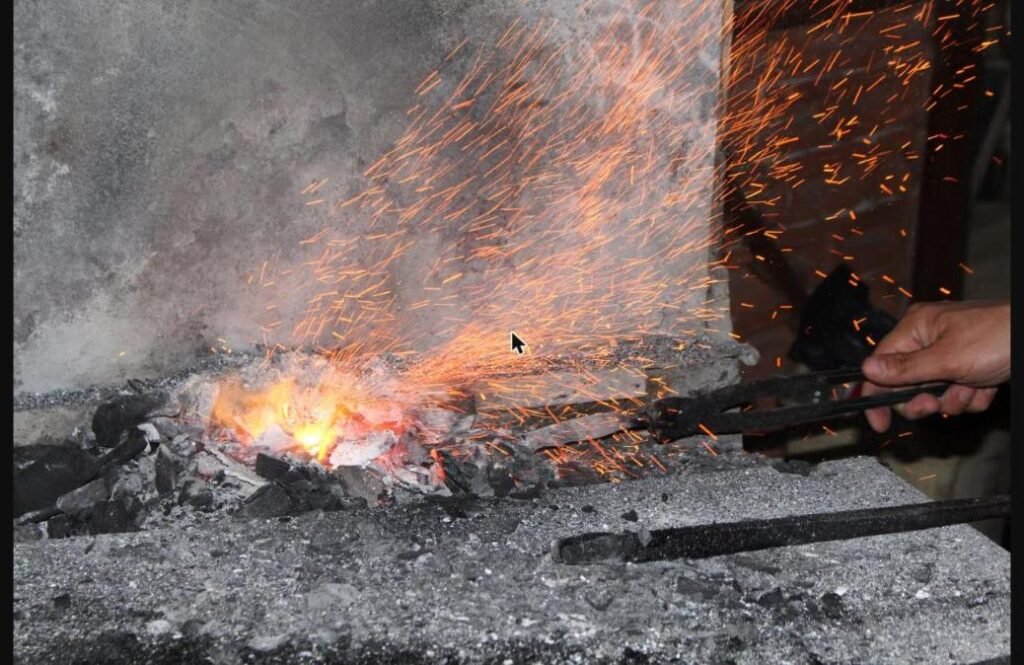
Step 2: Forging and Shaping the Blade
Once the steel is selected, it’s cut down and shaped into the rough outline of the blade. This is where the knife starts to take its identity, whether it’s becoming a drop point hunting knife, a flexible boning knife, or a fillet knife designed to glide through fish and meat with precision. Shaping at this stage sets the foundation for the blade’s geometry, which affects everything from how it cuts to how comfortable it feels in the hand.
Step 3: Heat Treatment for Hardness and Durability
Heat treatment is one of the most important and most overlooked steps in knife manufacturing. The blade is heated to a precise temperature and then cooled in a controlled way to harden the steel. Skip this step, or rush it, and you end up with a knife that either dulls quickly or becomes brittle and prone to chipping. Done correctly, heat treatment is what gives a Bodacious knife the durability to handle heavy use in the field, the kitchen, or on the job, without cracking under pressure.
Step 4: Grinding, Sharpening, and Finishing the Edge
After heat treatment, the blade goes through grinding to establish its final shape and bevel. This is followed by sharpening, where the edge is refined until it can cleanly slice through hide, rope, or fish skin with minimal effort. A well-ground edge isn’t just about sharpness out of the box, it’s about how well that edge holds up and how easily it can be resharpened down the road.
Step 5: Fitting the Handle and Guard
A blade is only half the knife. The handle has to feel secure in your grip, whether your hands are dry, wet, or gloved. Depending on the model, we fit handles made from materials like stag horn, hardwood, or durable synthetic materials, paired with a guard that protects your fingers during hard use. This stage is where a knife stops being just a sharp piece of steel and becomes a tool you can actually trust to work with for hours at a time.
Step 6: Quality Check and Final Assembly
Before any knife leaves our shop, it goes through a final quality check. We look at blade alignment, edge sharpness, handle fit, and overall finish. Any knife that doesn’t meet our standard doesn’t get shipped. This last step is what separates a mass produced blade from a knife built the way we build ours, with attention to the details that matter once it’s actually being used outdoors, in the kitchen, or in your daily carry.
Why the Manufacturing Process Matters
When you understand how a knife is made, it’s easier to see why quality varies so much between brands. Cheaper knives often skip steps like proper heat treatment or use lower grade steel to cut costs, and that shows up quickly in the form of a dull edge, a bent tip, or a handle that loosens over time. Every step we’ve walked through here exists for a reason, and together they’re what make a hunting knife, fillet knife, or fixed blade reliable enough to depend on when it counts.
If you’re looking for a knife built the right way, from the steel selection all the way through final inspection, browse our full catalogue of handmade knives at Bodacious Knives. Whether you need a hunting knife for your next trip into the field or a fillet knife for cleaning your catch, you’ll know exactly what went into making it.